

L’email marketing automation : un levier stratégique pour fidéliser vos clients

Aujourd’hui, le marketing par e-mail automatisé est devenu un outil essentiel pour garder les clients et réduire les désabonnements. L’objectif principal de la fidélisation est de créer une relation solide et de confiance, afin d’augmenter la valeur qu’un client apporte sur le long terme.

Grâce à l’automatisation, les entreprises peuvent communiquer de manière personnalisée, cohérente et régulière tout au long du parcours client. Cette approche contribue à créer une expérience fluide, à améliorer la perception du service par les clients et à fidéliser leurs clients.

Dans ce guide, on va voir comment utiliser le marketing par e-mail automatisé pour garder plus de clients. On explorera les bonnes méthodes et on utilisera les données pour améliorer constamment vos actions.
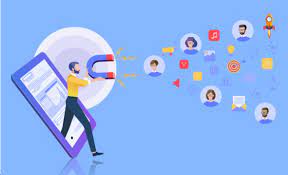
 

Personnalisation des emails : une stratégie au cœur de l’engagement

Exploiter la data pour cibler intelligemment

Une personnalisation efficace commence par une analyse approfondie des données clients. En collectant des informations sur leurs habitudes d’achat, leurs préférences, leur historique de navigation et leurs données démographiques, vous pouvez créer des groupes précis. Chaque groupe reçoit ensuite des messages adaptés à ses besoins spécifiques, ce qui améliore considérablement les taux d’ouverture et de conversion.

Par exemple, un client qui achète souvent des produits de la même catégorie peut recevoir des recommandations personnalisées ou des offres spéciales, ce qui rend vos messages plus pertinents.

Adapter les emails au comportement en temps réel

L’un des principaux avantages de l’automatisation réside dans sa capacité à réagir aux actions des utilisateurs. Grâce aux e-mails comportementaux, vous pouvez envoyer des messages spécifiques en fonction de leurs actions : consultation d’une page produit, abandon d’un panier vide ou absence d’achat prolongée.

Ainsi, un client qui consulte une page produit mais n’achète pas peut recevoir un e-mail contenant des produits similaires ou plus d’informations, ce qui augmente la probabilité qu’il achète plus tard et le maintient connecté à la marque.

Créer du lien à travers les moments clés

Emails d’anniversaire et communications événementielles

Emails envoyés pour un anniversaire ou un événement important — comme la date de premier achat ou l’inscription à une newsletter — sont de bons moments pour créer un lien émotionnel. En personnalisant ces messages avec une offre, un code promo ou juste un petit mot gentil, vous faites comprendre à vos clients qu’ils sont importants.

Ces gestes renforcent l’attachement de vos clients à votre marque et contribuent à les fidéliser sur le long terme.

Automatiser les séquences pour entretenir la relation

Suivi post-achat : rester présent après la vente

Emails envoyés après un achat sont importants pour garder le contact. Une séquence automatique peut inclure :

  • un message de remerciement,

  • conseils d’utilisation du produit,

  • quelques suggestions de produits,

  • Une autre offre spéciale pour un futur achat.

Ce type de communication maintient l’intérêt du client et l’encourage à acheter à nouveau, tout en renforçant la relation.

Réengager les clients inactifs

A un client qui ne fait plus rien, on n’a pas forcément perdu. Avec des scénarios d’automatisation faits pour le relancer, on peut le réengager de manière adaptée.

Par exemple, si un client n’a pas acheté depuis plusieurs mois, on peut lui envoyer une série d’e-mails pour :

  • proposez-lui une offre spéciale,

  • montre-lui une nouvelle collection,

  • ou simplement prendre de leurs nouvelles.

Cette approche vous aide à ramener les clients inactifs et à les ramener dans le processus d’achat.

Capitaliser sur le feedback client

Enquêtes de satisfaction automatisées

Obtenir régulièrement des retours clients est essentiel pour améliorer votre service. L’automatisation facilite l’envoi d’enquêtes de satisfaction après un achat ou une conversation.

Ces e-mails permettent :

  • pour mesurer la satisfaction

  • identifier les domaines à améliorer,

  • et renforcer la relation de confiance.

Les commentaires des clients sont un outil précieux pour améliorer vos produits, vos services et votre communication.

Optimiser les campagnes grâce à l’analyse

Suivre les performances : taux d’ouverture et de clics

Les indicateurs clés (taux d’ouverture, taux de clics, taux de conversion) vous aident à affiner votre contenu, à améliorer les lignes d’objet de vos e-mails et à tester différentes heures d’envoi.

Par exemple, un taux d’ouverture faible peut vouloir dire que l’objet du message n’intéresse pas beaucoup. Un CTR qui diminue peut indiquer que le contenu n’est pas pertinent ou que l’appel à l’action n’est pas clair.

Affiner vos segments pour mieux cibler

Analyser les performances par segment vous aide à savoir quelles audiences réagissent le plus. Vous pouvez alors créer des campagnes adaptées à chaque groupe.

  • Chers clients fidèles,

  • vos nouveaux clients,

  • ou encore vos clients inactifs.

L’objectif est de fournir à chacun un contenu réel et personnalisé.

Tester pour mieux performer : les A/B tests

Les tests A/B sont un outil essentiel pour améliorer vos résultats. Ils consistent à comparer deux versions d’un même email pour voir laquelle attire le plus d’attention.

Vous pouvez tester :

  • différents objets d’email,

  • des mises en page variées,

  • des moments d’envoi spécifiques,

  • ou divers call-to-action.

Les résultats vous aideront à améliorer vos prochaines campagnes pour qu’elles soient plus efficaces.

Conclusion

Email marketing automation est bien plus qu’un simple outil technique : c’est un élément clé pour créer une relation solide avec les clients, les fidéliser et augmenter la valeur qu’ils apportent à long terme.

En combinant personnalisation, automatisation intelligente, analyse des performances et écoute active des clients, vous pouvez créer une expérience unique et engageante à chaque étape du parcours.

Ne tardez plus : misez sur une stratégie d’automatisation par e-mail pour renforcer votre relation avec les clients, améliorer votre taux de fidélisation et faire des emails un levier de croissance à long terme.


We use cookies to personalise content and ads, to provide social media features and to analyse our traffic. We also share information about your use of our site with our social media, advertising and analytics partners.
Cookies settings
Accept
Privacy & Cookie policy
Privacy & Cookies policy
Cookie name Active

Privacy Policy

What information do we collect?

We collect information from you when you register on our site or place an order. When ordering or registering on our site, as appropriate, you may be asked to enter your: name, e-mail address or mailing address.

What do we use your information for?

Any of the information we collect from you may be used in one of the following ways: To personalize your experience (your information helps us to better respond to your individual needs) To improve our website (we continually strive to improve our website offerings based on the information and feedback we receive from you) To improve customer service (your information helps us to more effectively respond to your customer service requests and support needs) To process transactions Your information, whether public or private, will not be sold, exchanged, transferred, or given to any other company for any reason whatsoever, without your consent, other than for the express purpose of delivering the purchased product or service requested. To administer a contest, promotion, survey or other site feature To send periodic emails The email address you provide for order processing, will only be used to send you information and updates pertaining to your order.

How do we protect your information?

We implement a variety of security measures to maintain the safety of your personal information when you place an order or enter, submit, or access your personal information. We offer the use of a secure server. All supplied sensitive/credit information is transmitted via Secure Socket Layer (SSL) technology and then encrypted into our Payment gateway providers database only to be accessible by those authorized with special access rights to such systems, and are required to?keep the information confidential. After a transaction, your private information (credit cards, social security numbers, financials, etc.) will not be kept on file for more than 60 days.

Do we use cookies?

Yes (Cookies are small files that a site or its service provider transfers to your computers hard drive through your Web browser (if you allow) that enables the sites or service providers systems to recognize your browser and capture and remember certain information We use cookies to help us remember and process the items in your shopping cart, understand and save your preferences for future visits, keep track of advertisements and compile aggregate data about site traffic and site interaction so that we can offer better site experiences and tools in the future. We may contract with third-party service providers to assist us in better understanding our site visitors. These service providers are not permitted to use the information collected on our behalf except to help us conduct and improve our business. If you prefer, you can choose to have your computer warn you each time a cookie is being sent, or you can choose to turn off all cookies via your browser settings. Like most websites, if you turn your cookies off, some of our services may not function properly. However, you can still place orders by contacting customer service. Google Analytics We use Google Analytics on our sites for anonymous reporting of site usage and for advertising on the site. If you would like to opt-out of Google Analytics monitoring your behaviour on our sites please use this link (https://tools.google.com/dlpage/gaoptout/)

Do we disclose any information to outside parties?

We do not sell, trade, or otherwise transfer to outside parties your personally identifiable information. This does not include trusted third parties who assist us in operating our website, conducting our business, or servicing you, so long as those parties agree to keep this information confidential. We may also release your information when we believe release is appropriate to comply with the law, enforce our site policies, or protect ours or others rights, property, or safety. However, non-personally identifiable visitor information may be provided to other parties for marketing, advertising, or other uses.

Registration

The minimum information we need to register you is your name, email address and a password. We will ask you more questions for different services, including sales promotions. Unless we say otherwise, you have to answer all the registration questions. We may also ask some other, voluntary questions during registration for certain services (for example, professional networks) so we can gain a clearer understanding of who you are. This also allows us to personalise services for you. To assist us in our marketing, in addition to the data that you provide to us if you register, we may also obtain data from trusted third parties to help us understand what you might be interested in. This ‘profiling’ information is produced from a variety of sources, including publicly available data (such as the electoral roll) or from sources such as surveys and polls where you have given your permission for your data to be shared. You can choose not to have such data shared with the Guardian from these sources by logging into your account and changing the settings in the privacy section. After you have registered, and with your permission, we may send you emails we think may interest you. Newsletters may be personalised based on what you have been reading on theguardian.com. At any time you can decide not to receive these emails and will be able to ‘unsubscribe’. Logging in using social networking credentials If you log-in to our sites using a Facebook log-in, you are granting permission to Facebook to share your user details with us. This will include your name, email address, date of birth and location which will then be used to form a Guardian identity. You can also use your picture from Facebook as part of your profile. This will also allow us and Facebook to share your, networks, user ID and any other information you choose to share according to your Facebook account settings. If you remove the Guardian app from your Facebook settings, we will no longer have access to this information. If you log-in to our sites using a Google log-in, you grant permission to Google to share your user details with us. This will include your name, email address, date of birth, sex and location which we will then use to form a Guardian identity. You may use your picture from Google as part of your profile. This also allows us to share your networks, user ID and any other information you choose to share according to your Google account settings. If you remove the Guardian from your Google settings, we will no longer have access to this information. If you log-in to our sites using a twitter log-in, we receive your avatar (the small picture that appears next to your tweets) and twitter username.

Children’s Online Privacy Protection Act Compliance

We are in compliance with the requirements of COPPA (Childrens Online Privacy Protection Act), we do not collect any information from anyone under 13 years of age. Our website, products and services are all directed to people who are at least 13 years old or older.

Updating your personal information

We offer a ‘My details’ page (also known as Dashboard), where you can update your personal information at any time, and change your marketing preferences. You can get to this page from most pages on the site – simply click on the ‘My details’ link at the top of the screen when you are signed in.

Online Privacy Policy Only

This online privacy policy applies only to information collected through our website and not to information collected offline.

Your Consent

By using our site, you consent to our privacy policy.

Changes to our Privacy Policy

If we decide to change our privacy policy, we will post those changes on this page.
Save settings
Cookies settings
Défiler vers le haut